
Environmental Services
Environmental Services
Supporting Your Access to Global Markets Through ESG and Carbon Compliance
Exporting to markets such as Europe and the United States are increasingly required to demonstrate strong environmental and sustainability performance. Compliance is no longer optional—it is a key market entry requirement. Regulations in the European Union and the United States are becoming increasingly stringent. In particular, the Corporate Sustainability Due Diligence Directive (CSDDD) in EU requires companies to assess and manage environmental and human rights risks across their entire supply chain.
Our consultancy offers gap analysis, documentation support, internal audits, and training to help your organization align with these international standards. Whether you are manufacturers, traders or subcontractors in the supply chains, our services are designed to enhance compliance, improve operational efficiency, and boost your credibility in both local and global markets.
Supporting Your Access to Global Markets Through ESG and Carbon Compliance
Exporting to markets such as Europe and the United States are increasingly required to demonstrate strong environmental and sustainability performance. Compliance is no longer optional—it is a key market entry requirement. Regulations in the European Union and the United States are becoming increasingly stringent. In particular, the Corporate Sustainability Due Diligence Directive (CSDDD) in EU requires companies to assess and manage environmental and human rights risks across their entire supply chain.
Our consultancy offers gap analysis, documentation support, internal audits, and training to help your organization align with these international standards. Whether you are manufacturers, traders or subcontractors in the supply chains, our services are designed to enhance compliance, improve operational efficiency, and boost your credibility in both local and global markets.
Supporting Your Access to Global Markets Through ESG and Carbon Compliance
Exporting to markets such as Europe and the United States are increasingly required to demonstrate strong environmental and sustainability performance. Compliance is no longer optional—it is a key market entry requirement. Regulations in the European Union and the United States are becoming increasingly stringent. In particular, the Corporate Sustainability Due Diligence Directive (CSDDD) in EU requires companies to assess and manage environmental and human rights risks across their entire supply chain.
Our consultancy offers gap analysis, documentation support, internal audits, and training to help your organization align with these international standards. Whether you are manufacturers, traders or subcontractors in the supply chains, our services are designed to enhance compliance, improve operational efficiency, and boost your credibility in both local and global markets.
Global Recycle Standard (GRS)
The Global Recycled Standard (GRS) was established in 2008 to verify the authenticity of recycled materials and ensure full traceability throughout the supply chain. As producing goods from virgin materials is often more cost-effective than using recycled inputs, some companies may be incentivized to misrepresent the source of their products, making third-party certification such as GRS essential to build trust and credibility in the market.
GRS is applicable to manufacturers and supply chain actors producing products with at least 20% recycled content, and it is widely recognized by global brands and retailers such as Disney and Walmart. In Malaysia, GRS is aligned with the government’s MyHIJAU framework, where it is benchmarked as an environmentally friendly scheme, enabling certified companies to access potential incentives or grants.
For companies seeking flexibility or alternative certification approaches, related standards such as
- Recycled Claim Standard (RCS)
- Organic Content Standard (OCS)

Global Recycle Standard (GRS)
The Global Recycled Standard (GRS) was established in 2008 to verify the authenticity of recycled materials and ensure full traceability throughout the supply chain. As producing goods from virgin materials is often more cost-effective than using recycled inputs, some companies may be incentivized to misrepresent the source of their products, making third-party certification such as GRS essential to build trust and credibility in the market.
GRS is applicable to manufacturers and supply chain actors producing products with at least 20% recycled content, and it is widely recognized by global brands and retailers such as Disney and Walmart. In Malaysia, GRS is aligned with the government’s MyHIJAU framework, where it is benchmarked as an environmentally friendly scheme, enabling certified companies to access potential incentives or grants.
For companies seeking flexibility or alternative certification approaches, related standards such as
- Recycled Claim Standard (RCS)
- Organic Content Standard (OCS)
Global Recycle Standard (GRS)
The Global Recycled Standard (GRS) was established in 2008 to verify the authenticity of recycled materials and ensure full traceability throughout the supply chain. As producing goods from virgin materials is often more cost-effective than using recycled inputs, some companies may be incentivized to misrepresent the source of their products, making third-party certification such as GRS essential to build trust and credibility in the market.
GRS is applicable to manufacturers and supply chain actors producing products with at least 20% recycled content, and it is widely recognized by global brands and retailers such as Disney and Walmart. In Malaysia, GRS is aligned with the government’s MyHIJAU framework, where it is benchmarked as an environmentally friendly scheme, enabling certified companies to access potential incentives or grants.
For companies seeking flexibility or alternative certification approaches, related standards such as
- Recycled Claim Standard (RCS)
- Organic Content Standard (OCS)
EU Deforestation Regulation (EUDR)
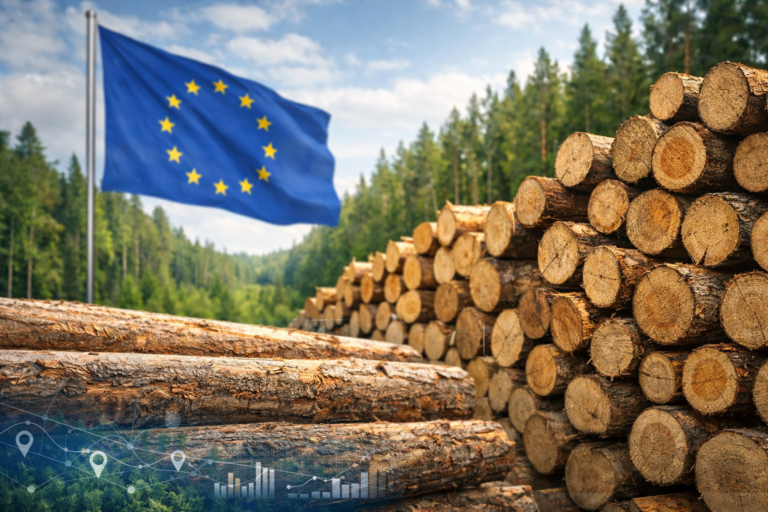
The EU Deforestation Regulation (EUDR), formally known as Regulation (EU) 2023/1115 on deforestation-free products, was introduced by the European Commission in June 2022 and entered into force on 29 June 2023. This regulation was established in response to the global deforestation crisis and ensure that products placed on the European Union market do not contribute to deforestation or forest degradation.
Under EUDR, companies are required to demonstrate that relevant products sold into the EU are deforestation-free, meaning they are not sourced from land that has been deforested after 31 December 2020. The requirement is highly comprehensive, extending beyond the final product to cover all inputs involved in production. For example, it includes ensuring that cattle feed, agricultural inputs such as fertilizers, and upstream raw materials are all sourced from compliant, non-deforested land.
To meet these requirements, companies must establish a robust and transparent traceability system capable of tracking materials back to their origin, often at the level of the upstream producer or farm.
EU Deforestation Regulation (EUDR)
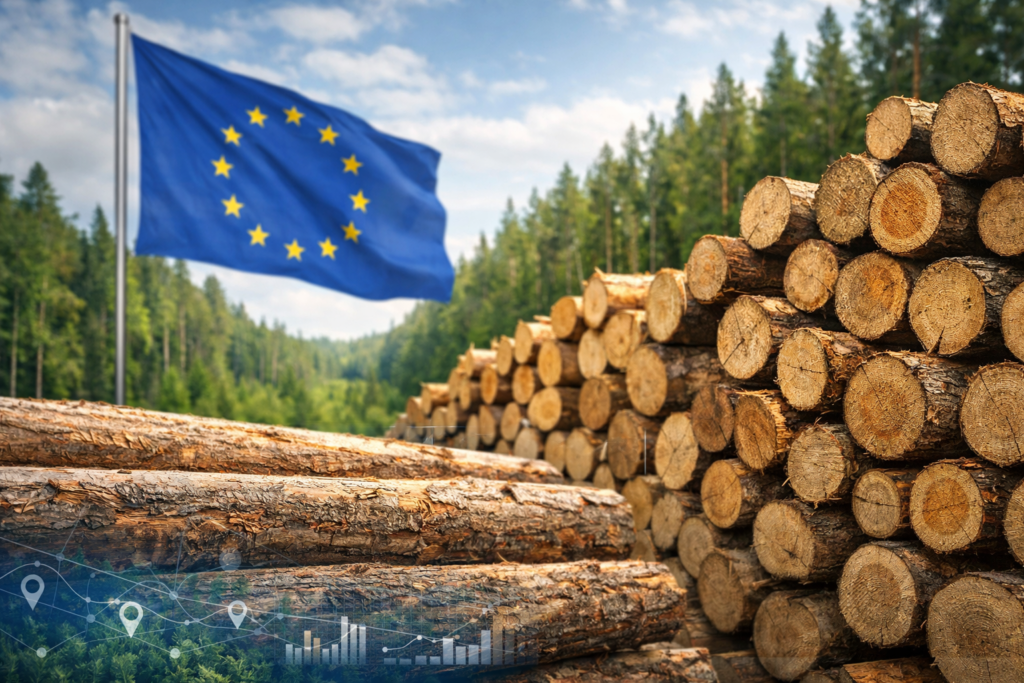
The EU Deforestation Regulation (EUDR), formally known as Regulation (EU) 2023/1115 on deforestation-free products, was introduced by the European Commission in June 2022 and entered into force on 29 June 2023. This regulation was established in response to the global deforestation crisis and ensure that products placed on the European Union market do not contribute to deforestation or forest degradation.
Under EUDR, companies are required to demonstrate that relevant products sold into the EU are deforestation-free, meaning they are not sourced from land that has been deforested after 31 December 2020. The requirement is highly comprehensive, extending beyond the final product to cover all inputs involved in production. For example, it includes ensuring that cattle feed, agricultural inputs such as fertilizers, and upstream raw materials are all sourced from compliant, non-deforested land.
To meet these requirements, companies must establish a robust and transparent traceability system capable of tracking materials back to their origin, often at the level of the upstream producer or farm.
EU Deforestation Regulation (EUDR)
The EU Deforestation Regulation (EUDR), formally known as Regulation (EU) 2023/1115 on deforestation-free products, was introduced by the European Commission in June 2022 and entered into force on 29 June 2023. This regulation was established in response to the global deforestation crisis and ensure that products placed on the European Union market do not contribute to deforestation or forest degradation.
Under EUDR, companies are required to demonstrate that relevant products sold into the EU are deforestation-free, meaning they are not sourced from land that has been deforested after 31 December 2020. The requirement is highly comprehensive, extending beyond the final product to cover all inputs involved in production. For example, it includes ensuring that cattle feed, agricultural inputs such as fertilizers, and upstream raw materials are all sourced from compliant, non-deforested land.
To meet these requirements, companies must establish a robust and transparent traceability system capable of tracking materials back to their origin, often at the level of the upstream producer or farm.
Business Environmental Performance Initiative (BEPI)
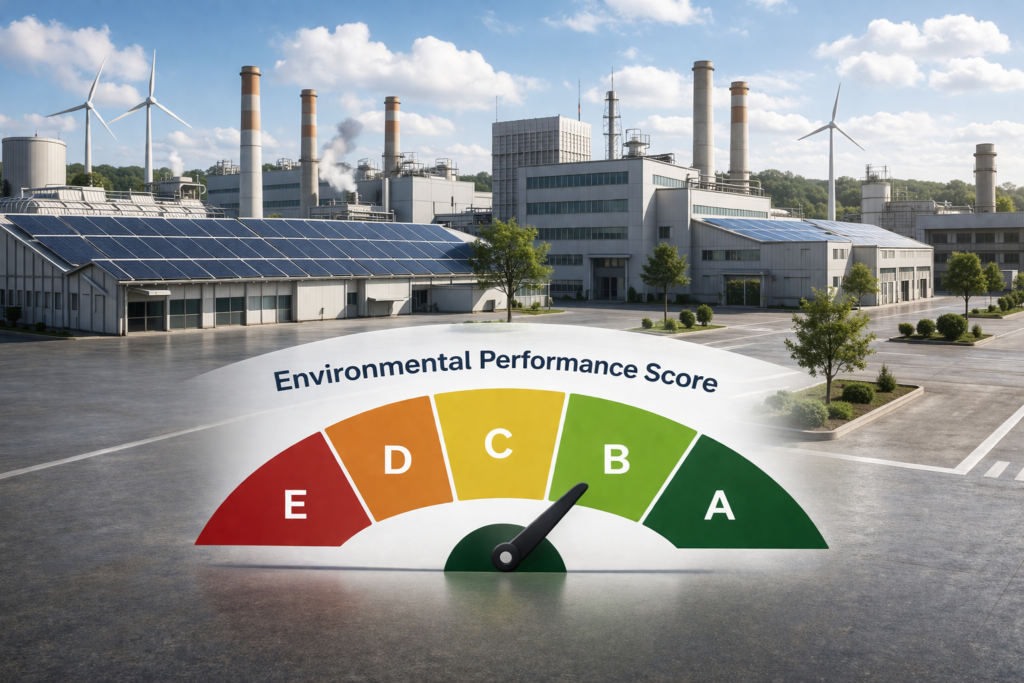
The Business Environmental Performance Initiative (BEPI) is an environmental due diligence programme developed by amfori, a Europe-based organization, to support companies in improving their environmental performance across supply chains. It is not a certification, but a practical framework that evaluates companies using a rating system from A to E based on their environmental performance.
BEPI is commonly used by European buyers as an entry-level requirement to understand a supplier’s environmental performance, making it an important “entrance ticket” for companies aiming to access or maintain business in the European market. The programme requires companies to establish basic environmental management practices, including an Environmental Management System (EMS), monitoring of emissions, and measures to control and prevent impacts on human health, the environment, and biodiversity.
Business Environmental Performance Initiative (BEPI)
The Business Environmental Performance Initiative (BEPI) is an environmental due diligence programme developed by amfori, a Europe-based organization, to support companies in improving their environmental performance across supply chains. It is not a certification, but a practical framework that evaluates companies using a rating system from A to E based on their environmental performance.
BEPI is commonly used by European buyers as an entry-level requirement to understand a supplier’s environmental performance, making it an important “entrance ticket” for companies aiming to access or maintain business in the European market. The programme requires companies to establish basic environmental management practices, including an Environmental Management System (EMS), monitoring of emissions, and measures to control and prevent impacts on human health, the environment, and biodiversity.
Business Environmental Performance Initiative (BEPI)
The Business Environmental Performance Initiative (BEPI) is an environmental due diligence programme developed by amfori, a Europe-based organization, to support companies in improving their environmental performance across supply chains. It is not a certification, but a practical framework that evaluates companies using a rating system from A to E based on their environmental performance.
BEPI is commonly used by European buyers as an entry-level requirement to understand a supplier’s environmental performance, making it an important “entrance ticket” for companies aiming to access or maintain business in the European market. The programme requires companies to establish basic environmental management practices, including an Environmental Management System (EMS), monitoring of emissions, and measures to control and prevent impacts on human health, the environment, and biodiversity.