Approved Fertilizer

Approved Fertilizer

What is Approved Fertilizer?

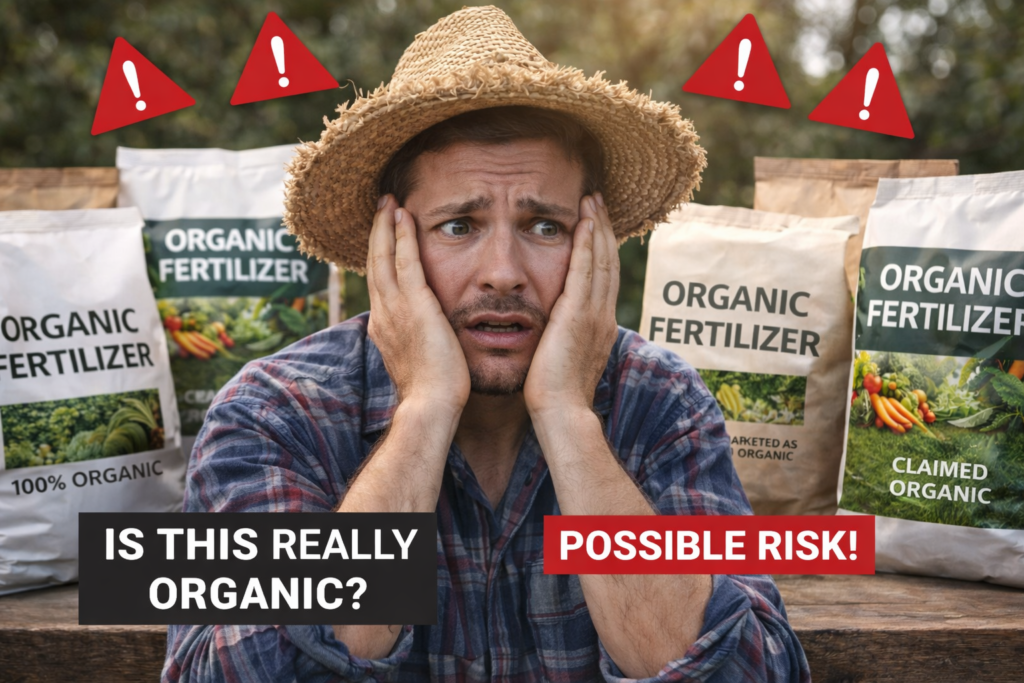
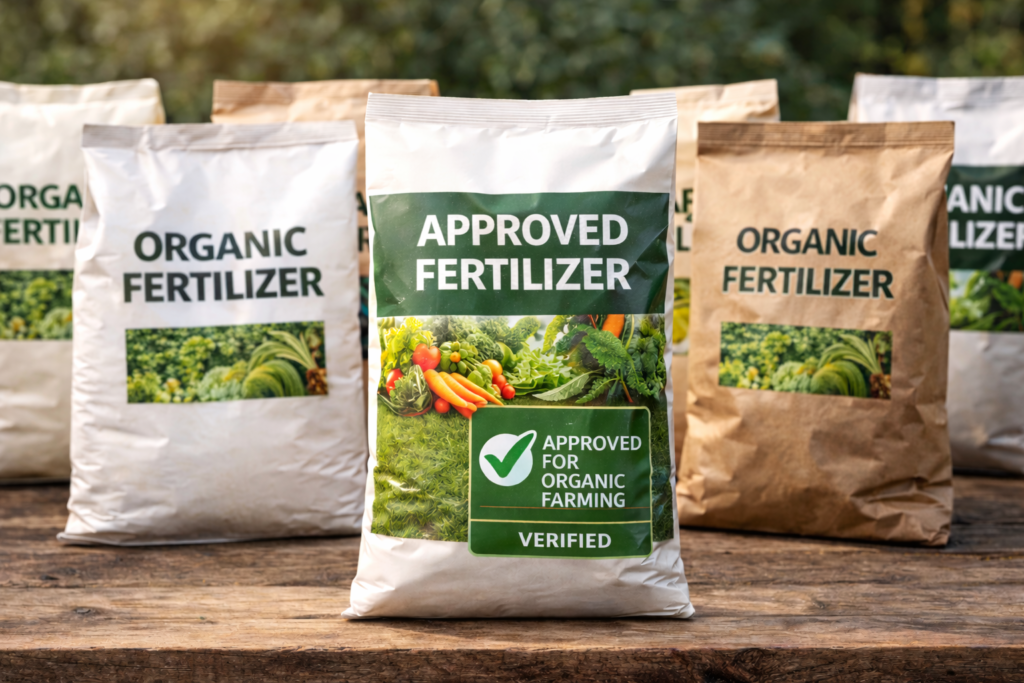
Approved fertilizer refers to fertilizers that are permitted for use in organic farming, meaning they comply with organic standards and do not contain prohibited substances such as synthetic pesticides or highly soluble chemical nutrients.

In Malaysia, the term “organic fertilizer” is allowed under MS 1517:2012, which regulates the labeling and composition of such products. However, this terminology is not widely accepted in international organic standards.

For most globally recognized standards such as EU Organic and USDA NOP, the term “organic” is reserved only for food. Therefore, fertilizers are instead referred to as “approved inputs,” indicating these outsourced products are suitable and compliant for use in organic production systems.

What is Approved Fertilizer?

Approved fertilizer refers to fertilizers that are permitted for use in organic farming, meaning they comply with organic standards and do not contain prohibited substances such as synthetic pesticides or highly soluble chemical nutrients.

In Malaysia, the term “organic fertilizer” is allowed under MS 1517:2012, which regulates the labeling and composition of such products. However, this terminology is not widely accepted in international organic standards.

For most globally recognized standards such as EU Organic and USDA NOP, the term “organic” is reserved only for food. Therefore, fertilizers are instead referred to as “approved inputs,” indicating these outsourced products are suitable and compliant for use in organic production systems.

What is Approved Fertilizer?

Approved fertilizer refers to fertilizers that are permitted for use in organic farming, meaning they comply with organic standards and do not contain prohibited substances such as synthetic pesticides or highly soluble chemical nutrients.

In Malaysia, the term “organic fertilizer” is allowed under MS 1517:2012, which regulates the labeling and composition of such products. However, this terminology is not widely accepted in international organic standards.

For most globally recognized standards such as EU Organic and USDA NOP, the term “organic” is reserved only for food. Therefore, fertilizers are instead referred to as “approved inputs,” indicating these outsourced products are suitable and compliant for use in organic production systems.

Scope of Application

organic fertilizer biofertilizer consultant malaysia
Fertilizer
  • Also referred to as biofertilizer in some contexts

  • Purpose: to supply nutrients to organic crops, primarily when deficiency is observed

  • Available in solid, liquid, or semi-solid forms

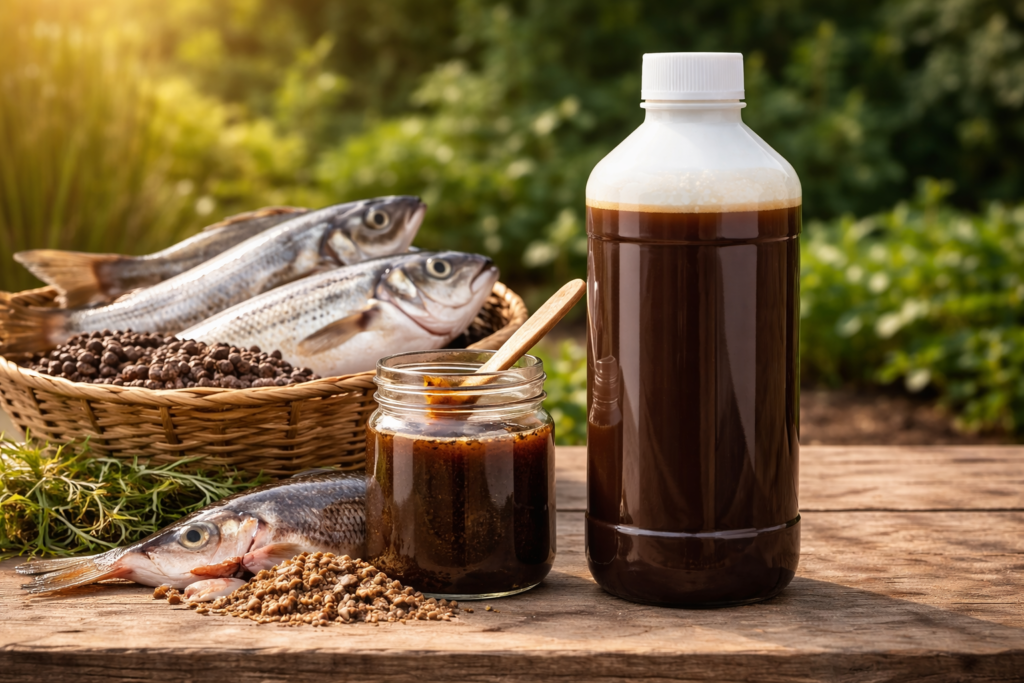
  • Derived from plant, animal, aquatic, or microbial sources

  • Nutrient limits:
    -Liquid fertilizer: total nitrogen ≤ 3%
    -Solid fertilizer: total nitrogen ≤ 10%

  • Must be free from prohibited substances such as GMO, synthetic pesticides, and heavy metals
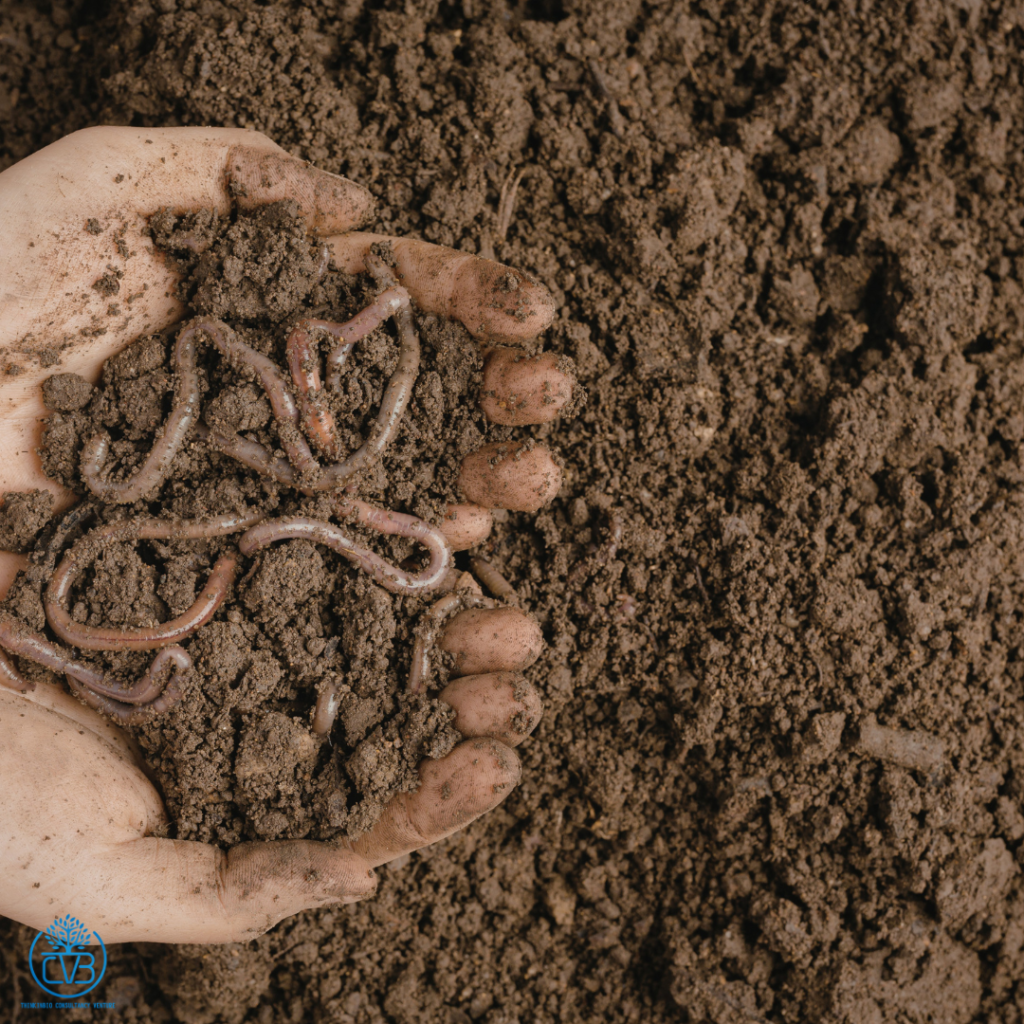
vermicompost consultant malaysia
Compost
  • Produced from a controlled decomposition process, typically involving a mixture of plant and animal materials
  • Single-source materials are not considered compost (e.g. animal-only = manure; plant-only = plant residues or mulch), except for vermicompost
  • Final product should have a carbon-to-nitrogen (C:N) ratio of 25:1 to 40:1
  • Purpose: to enhance soil organic matter and improve soil structure
  • Must follow controlled parameters such as temperature, moisture, duration, and turning practices (as required by standards)
  • Free from prohibited substances such as raw manure, GMO, synthetic pesticides, and heavy metals
organic fertilizer biofertilizer consultant malaysia
Fertilizer
  • Also referred to as biofertilizer in some contexts
  • Purpose: to supply nutrients to organic crops, primarily when deficiency is observed
  • Available in solid, liquid, or semi-solid forms
  • Derived from plant, animal, aquatic, or microbial sources
  • Nutrient limits:
    -Liquid fertilizer: total nitrogen ≤ 3%
    -Solid fertilizer: total nitrogen ≤ 10%
  • Must be free from prohibited substances such as GMO, synthetic pesticides, and heavy metals
vermicompost consultant malaysia
Compost
  • Produced from a controlled decomposition process, typically involving a mixture of plant and animal materials
  • Single-source materials are not considered compost (e.g. animal-only = manure; plant-only = plant residues or mulch), except for vermicompost
  • Final product should have a carbon-to-nitrogen (C:N) ratio of 25:1 to 40:1
  • Purpose: to enhance soil organic matter and improve soil structure
  • Must follow controlled parameters such as temperature, moisture, duration, and turning practices (as required by standards)
  • Free from prohibited substances such as raw manure, GMO, synthetic pesticides, and heavy metals
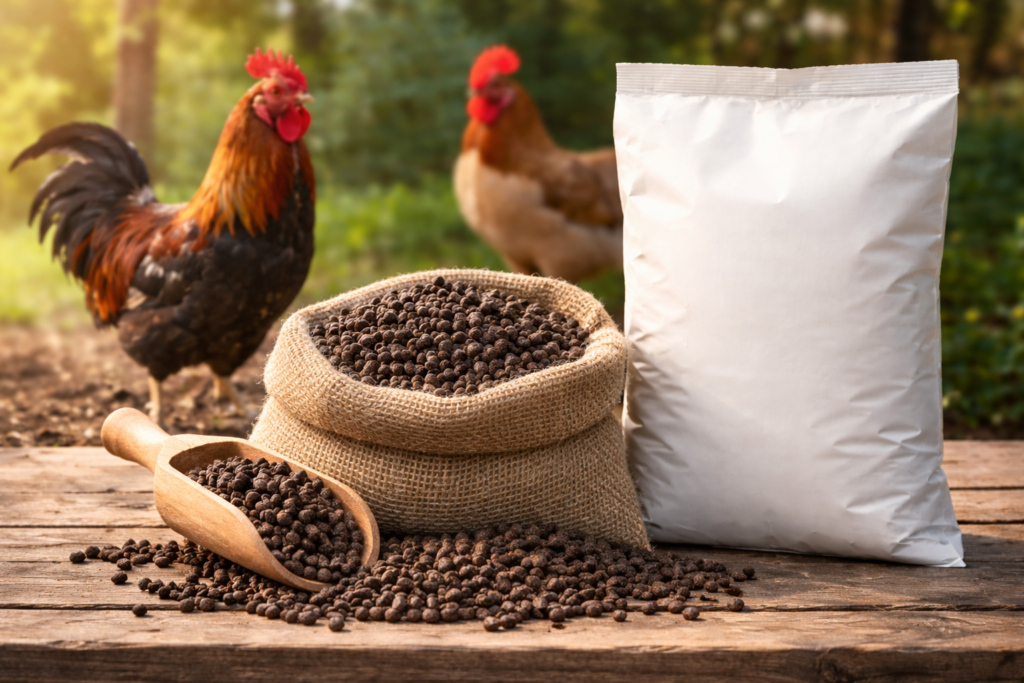
chicken manure organic fertilizer consultant malaysia
Processed Manure
  • Derived from animal waste that has been treated but not fully composted

  • Does not meet full composting requirements but undergoes controlled treatment (e.g. temperature, time, drying)

  • Must meet limits for pathogens such as Salmonella and fecal coliform

  • Purpose: to improve soil organic matter content

  • Free from prohibited substances such as raw manure, GMO, synthetic pesticides, and heavy metals
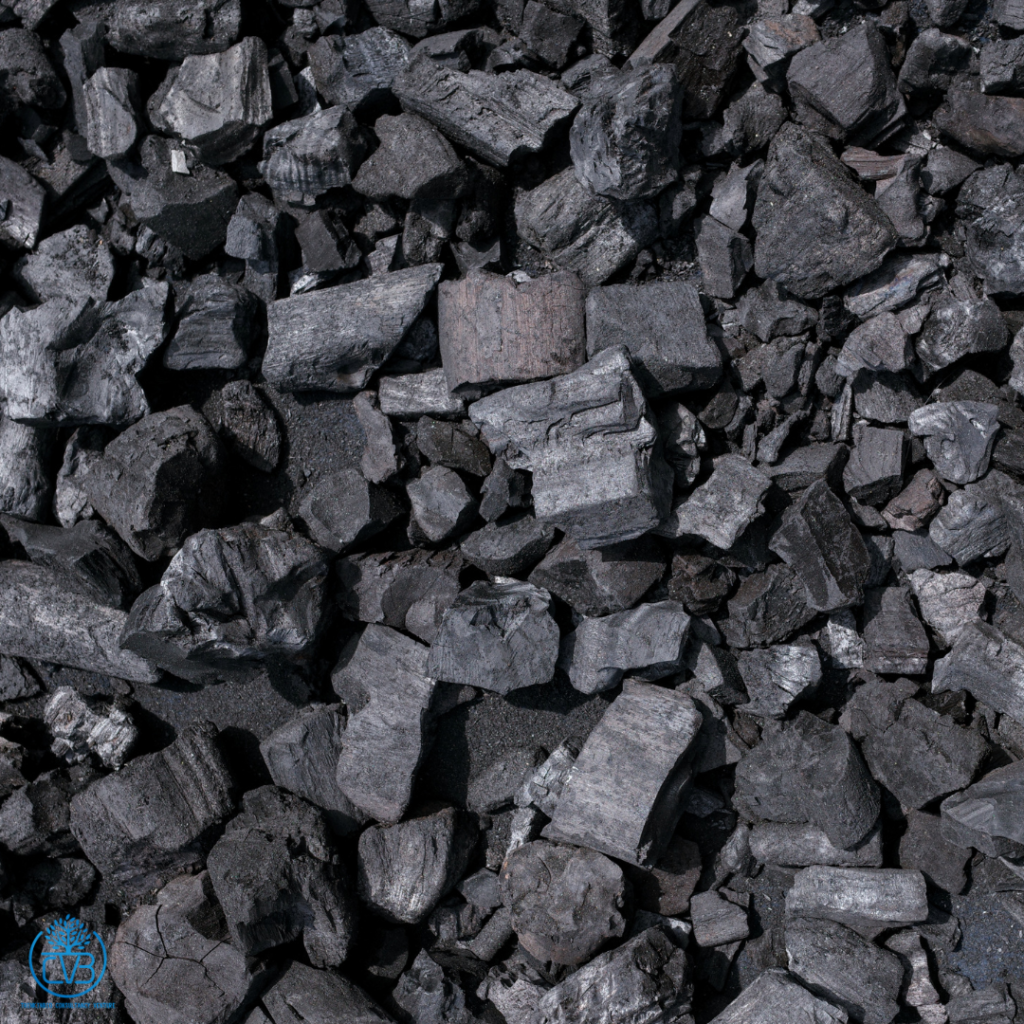
biochar organic fertilizer consultant malaysia
Soil Amendment
  • Broad category of materials used to improve soil properties, including physical structure and pH

  • Includes compost, but also other materials beyond compost

  • If mineral-based, must be from natural sources (not synthetic or chemically manufactured)

  • Typically used to condition soil rather than directly supply nutrients

  • Free from prohibited substances such as raw manure, GMO, synthetic pesticides, and heavy metals
chicken manure organic fertilizer consultant malaysia
Processed Manure
  • Derived from animal waste that has been treated but not fully composted
  • Does not meet full composting requirements but undergoes controlled treatment (e.g. temperature, time, drying)
  • Must meet limits for pathogens such as Salmonella and fecal coliform
  • Purpose: to improve soil organic matter content
  • Free from prohibited substances such as raw manure, GMO, synthetic pesticides, and heavy metals
  •  
biochar organic fertilizer consultant malaysia
Soil Amendment
  • Broad category of materials used to improve soil properties, including physical structure and pH
  • Includes compost, but also other materials beyond compost
  • If mineral-based, must be from natural sources (not synthetic or chemically manufactured)
  • Typically used to condition soil rather than directly supply nutrients
  • Free from prohibited substances such as raw manure, GMO, synthetic pesticides, and heavy metals
organic fertilizer biofertilizer consultant malaysia
Fertilizer
  • Also referred to as biofertilizer in some contexts
  • Purpose: to supply nutrients to organic crops, primarily when deficiency is observed
  • Available in solid, liquid, or semi-solid forms
  • Derived from plant, animal, aquatic, or microbial sources
  • Nutrient limits:
    -Liquid fertilizer: total nitrogen ≤ 3%
    -Solid fertilizer: total nitrogen ≤ 10%
  • Must be free from prohibited substances such as GMO, synthetic pesticides, and heavy metals
vermicompost consultant malaysia
Compost
  • Produced from a controlled decomposition process, typically involving a mixture of plant and animal materials
  • Single-source materials are not considered compost (e.g. animal-only = manure; plant-only = plant residues or mulch), except for vermicompost
  • Final product should have a carbon-to-nitrogen (C:N) ratio of 25:1 to 40:1
  • Purpose: to enhance soil organic matter and improve soil structure
  • Must follow controlled parameters such as temperature, moisture, duration, and turning practices (as required by standards)
  • Free from prohibited substances such as raw manure, GMO, synthetic pesticides, and heavy metals
chicken manure organic fertilizer consultant malaysia
Processed Manure
  • Derived from animal waste that has been treated but not fully composted
  • Does not meet full composting requirements but undergoes controlled treatment (e.g. temperature, time, drying)
  • Must meet limits for pathogens such as Salmonella and fecal coliform
  • Purpose: to improve soil organic matter content
  • Free from prohibited substances such as raw manure, GMO, synthetic pesticides, and heavy metals
biochar organic fertilizer consultant malaysia
Soil Amendments
  • Broad category of materials used to improve soil properties, including physical structure and pH
  • Includes compost, but also other materials beyond compost
  • If mineral-based, must be from natural sources (not synthetic or chemically manufactured)
  • Typically used to condition soil rather than directly supply nutrients
  • Free from prohibited substances such as raw manure, GMO, synthetic pesticides, and heavy metals

Why you need Approved Fertilizer certification?

Ensure Compliance with the Right Organic Standard
organic fertilizer biofertilizer certification

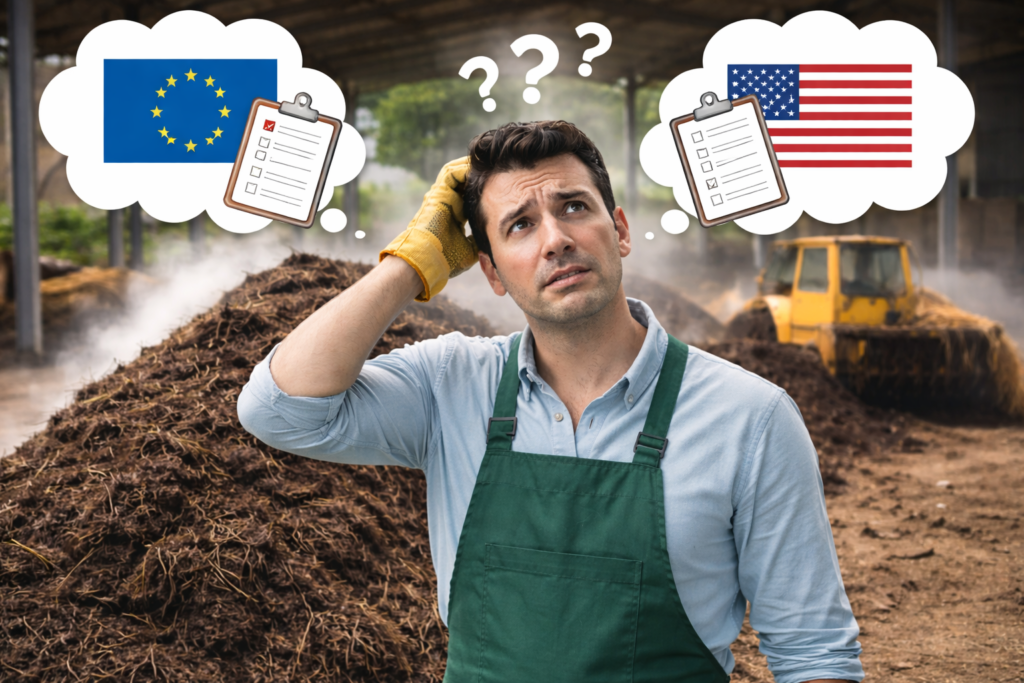
Approved input certification can be aligned with specific organic standards such as EU Organic or USDA NOP, each with different input requirements. For example, certain materials permitted under EU Organic may not be allowed under USDA NOP. By selecting the appropriate certification scope, your product can be positioned and recommended for the correct market, helping farmers confidently choose inputs that match their certification needs.

organic fertilizer biofertilizer claim farm

Organic farmers are highly cautious about the inputs they use. Any contamination with prohibited substances may result in the land losing its organic status and undergoing a 2–3 year conversion period. Certification gives farmers confidence that your product is safe and compliant, reducing their risk.

organic fertilizer biofertilizer organic farming

Without certification, you may need to repeatedly provide detailed documentation and explanations during each farm audit. Certified products, however, are more readily accepted by auditors, making the approval process faster and more efficient.

organic fertilizer biofertilizer label


In a market where many products claim to be “organic,” certification provides credible proof of compliance. A recognized certification and label enhance trust, differentiate your product, and strengthen your brand positioning.

Ensure Compliance with the Right Organic Standard
organic fertilizer biofertilizer certification

Approved fertilizer certification can be aligned with specific organic standards such as EU Organic or USDA NOP, each with different input requirements. For example, certain materials permitted under EU Organic may not be allowed under USDA NOP. By selecting the appropriate certification scope, your product can be positioned and recommended for the correct market, helping farmers confidently choose inputs that match their certification needs.

organic fertilizer biofertilizer claim farm

Organic farmers are highly cautious about the inputs they use. Any contamination with prohibited substances may result in the land losing its organic status and undergoing a 2–3 year conversion period. Certification gives farmers confidence that your product is safe and compliant, reducing their risk.

organic fertilizer biofertilizer organic farming

Without certification, you may need to repeatedly provide detailed documentation and explanations during each farm audit. Certified products, however, are more readily accepted by auditors, making the approval process faster and more efficient.

organic fertilizer biofertilizer label

In a market where many products claim to be “organic,” certification provides credible proof of compliance. A recognized certification and label enhance trust, differentiate your product, and strengthen your brand positioning.

Benefits of Approved Fertilizer Certification

Supports Your Sustainability Goals

Approved fertilizers also support sustainability goals, as they are typically derived from natural, recycled, or waste-based materials. Certification helps demonstrate your commitment to circular economy practices and responsible resource use.

Premium pricing

Certified products can command a premium price due to the higher complexity and control required in production. It is expected to pay more for products that reduce compliance risk and ensure acceptance during audits.

Ready demand market

There is a ready demand from organic farmers, as on-farm nutrients and cultural practices are often insufficient to meet crop needs. Certified fertilizers are therefore actively sought to support stable and compliant production.

Value addition to your product

Approved fertilizer certification adds value to your product by providing formal recognition of its compliance and quality. It allows you to supply to both organic and conventional farmers, expanding your market reach.

Supports Your Sustainability Goals

Approved fertilizers also support sustainability goals, as they are typically derived from natural, recycled, or waste-based materials. Certification helps demonstrate your commitment to circular economy practices and responsible resource use.

Premium Pricing

Certified products can command a premium price due to the higher complexity and control required in production. It is expected to pay more for products that reduce compliance risk and ensure acceptance during audits.

Ready Demand Market

There is a ready demand from organic farmers, as on-farm nutrients and cultural practices are often insufficient to meet crop needs. Certified fertilizers are therefore actively sought to support stable and compliant production.

Value Addition to Your Product

Approved fertilizer certification adds value to your product by providing formal recognition of its compliance and quality. It allows you to supply to both organic and conventional farmers, expanding your market reach.

Approved fertilizer consultant in Malaysia

Organic EU consultant in Malaysia

Thinking of selling your fertilizer to organic farmer in different countries? You’ll need more than just a clean and efficient product—you’ll need a system that complies with the Organic Regulation on fertilizer.

At ThinkinBio, we specialize in helping Malaysian businesses meet these requirements and navigate the certification process with confidence.

Transparent Pricing

Our consultancy starts from MYR4,000, depending on your operation’s size, scope, and location. You’ll receive hands-on support—from setup to audit readiness.

Our Core Services

✅ Gap Analysis
We identify non-conformities in your current practices and provide clear, practical advice to meet Approved Fertilizer (Organic EU, USDA NOP, JAS) requirements.

✅ Document Development
We help develop your Input System Plan and translate your existing practices into compliant SOPs.

✅ Internal Audit
We simulate a real audit to prepare your team and meet the standard’s requirement for an internal audit before certification.

✅ Internal Training
We train your team to understand and implement the Approved Fertilizer standard across your operations.

Thinking of selling your fertilizer to organic farmer in different countries? You’ll need more than just a clean and efficient product—you’ll need a system that complies with the Organic Regulation on fertilizer.

At ThinkinBio, we specialize in helping Malaysian businesses meet these requirements and navigate the certification process with confidence.

Transparent Pricing

Our consultancy starts from MYR4,000, depending on your operation’s size, scope, and location. You’ll receive hands-on support—from setup to audit readiness.

Our Core Services

✅ Gap Analysis
We identify non-conformities in your current practices and provide clear, practical advice to meet Approved Fertilizer requirements.

✅ Document Development
We help develop your Organic System Plan and translate your existing practices into compliant SOPs.

✅ Internal Audit
We simulate a real audit to prepare your team and meet the standard’s requirement for an internal audit before certification.

✅ Internal Training
We train your team to understand and implement the Approved Fertilizer standard across your operations.

FAQ

How long does it take to get certified?

It can take as little as 2–4 months if you have all systems, documentation in place and the assistance of consultant.

The certificate generally valid for 1 year. You are required to have annual audit to renew your certificate before it expires.

Approved Fertilizer certification is a private and voluntary scheme. It is not accredited under widely recognized organic standards such as USDA NOP, EU Organic, or JAS. Instead, it is typically developed by certification bodies or audit firms that are already accredited to conduct these organic standards.

The main purpose of this certification is to simplify the audit process for organic farmers, especially when multiple outsourced fertilizers are used. By having approved input certification, auditors can verify compliance more efficiently, reducing both audit time and documentation burden.

No. TC is only applicable to organic food and feed. 

it is highly recommended to obtain Approved Fertilizer certification for each specific standard:

  • Approved fertilizer (USDA NOP),
  • Approved fertilizer (EU Organic),
  • Approved fertilizer (JAS)

Although these standards share many similarities and are considered equivalent under certain bilateral agreements, there are still minor differences in fertilizer requirements. For example, EU Organic allows certain recycled phosphate materials to be used as approved inputs, whereas USDA NOP prohibits them. If your product contains recycled phosphate, it should not be supplied to farmers certified under USDA NOP, as it may risking the organic status of the land.

Thinkinbio offers a complete support package to guide you from the beginning until you successfully receive your certificate. Our services include gap analysis, document development, internal training and internal audit. For cost-efficiency, we recommend our full package, which covers everything you need for smooth certification. However, we also offer customized support, so you can choose only the services you need.

No. Thinkinbio is a consultancy company, not a certification body. We help your company prepare for certification by improving your practices to meet the Approved Fertilizer standard.

The Approved Fertilizer certificate is issued by an  certification body/ audit firm who is also the standard owner. If you choose us as your consultant, we will also assist you in coordinating with the certifier and guide you through the application and audit process to ensure everything runs smoothly.

Looking for other standards?

Drop your inquiries to consultant@thinkinbio.org

Scroll to Top