
Japan Organic (JAS)
What is Japan Organic?
Japan Organic Certification is a government-regulated standard that governs the production, processing, labeling, and management of organic products marketed in Japan. The standard is commonly known as Organic JAS where it refers to Japan Agriculture Standard for Organic.
Japan has a long cultural heritage of linking healthy food with long life, and its organic regulation reflects this philosophy. Under the JAS Organic system, all food labeled as “organic” must be safe, natural, and edible by humans. This means that the raw materials used must be entirely natural and grown or processed without synthetic pesticides, chemical fertilizers, or GMOs—similar to EU Organic and USDA-NOP standards.
Scope of Application
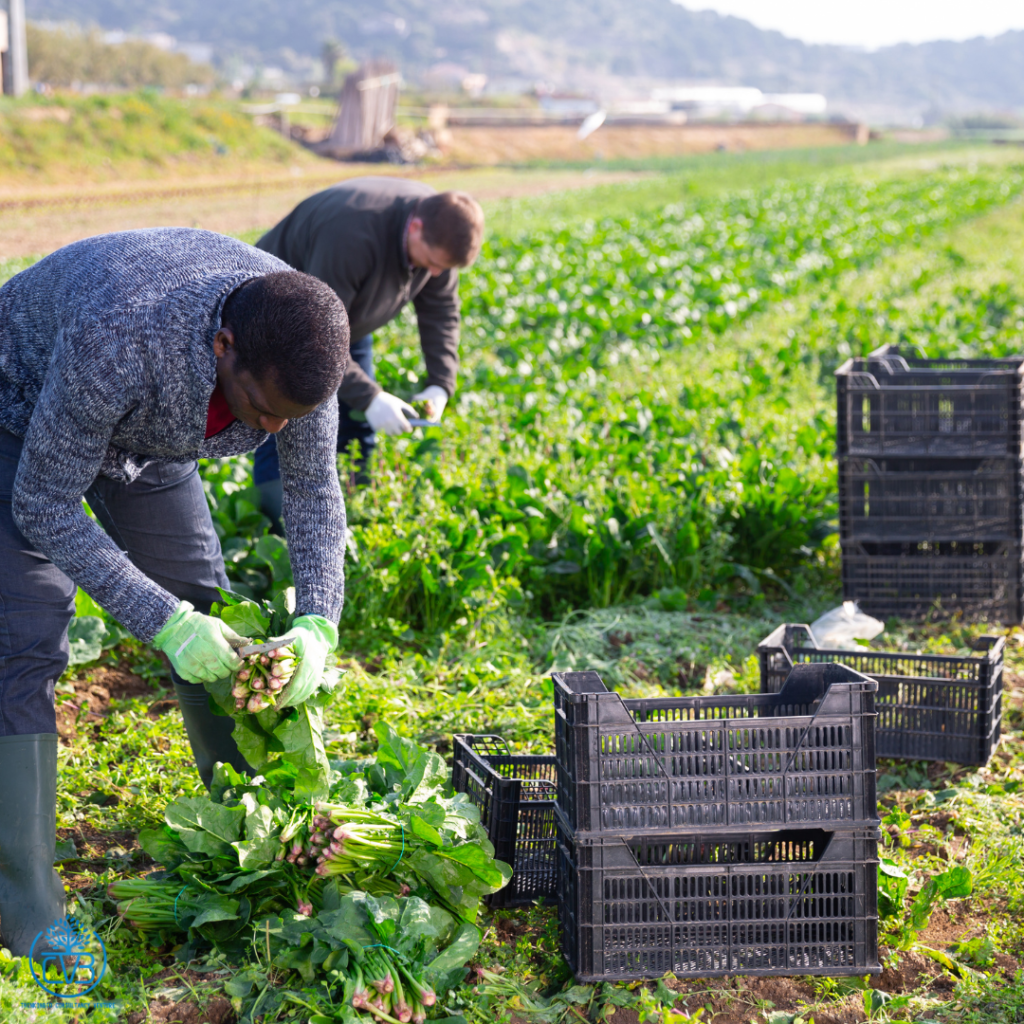
Organic Farming
Japan Organic certification for farming applies to the cultivation of organic plants, livestock, and microbial-based products. It includes the following requirements:
- No synthetic fertilizers, pesticides, hormones, GMOs, or synthetic feed additives
- Minimum two-year land conversion period
- Use of natural substances and biodiversity enhancement strategies
- Development of an Organic Management System with strong documentation, complaint handling, and contamination prevention
- Environmental sustainability must be proven, especially regarding air and water quality
The goal is to achieve a balanced, resilient agricultural system that maintains ecological health and natural productivity over time.
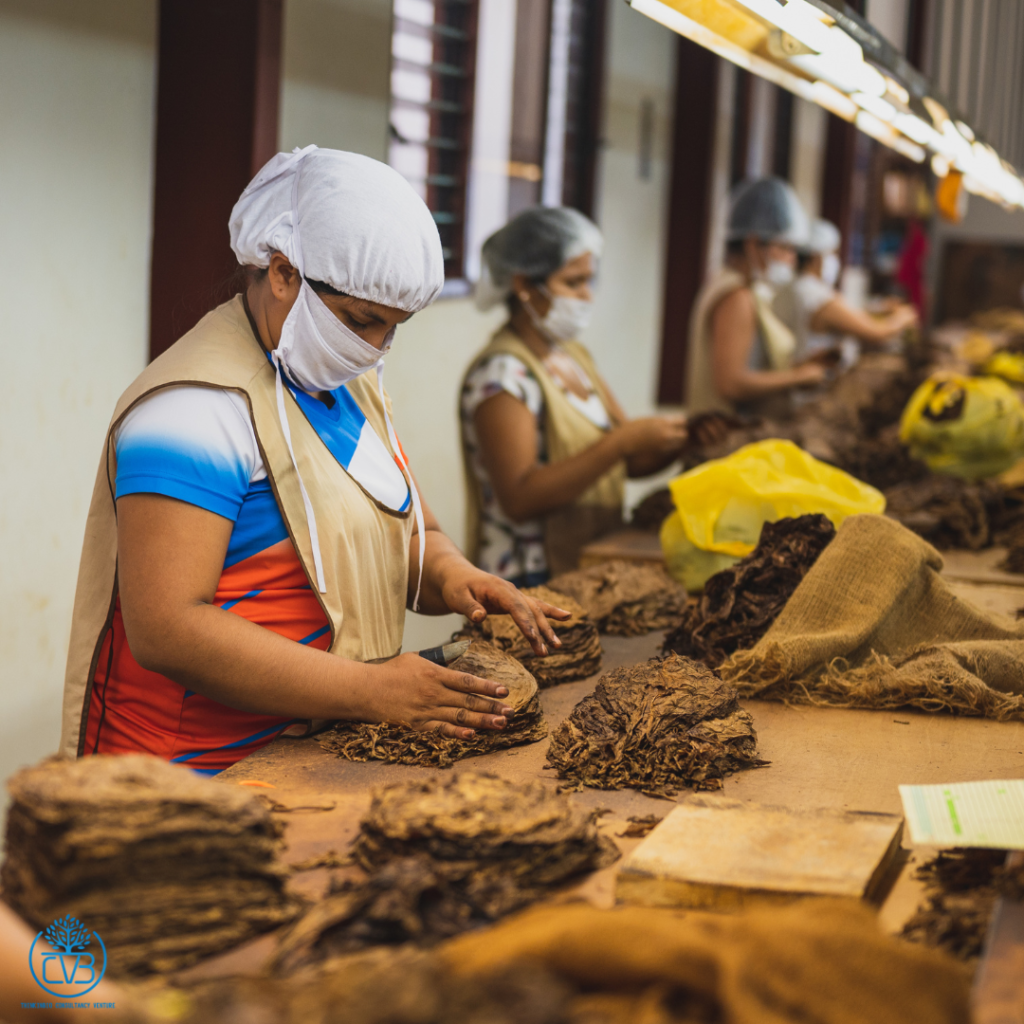
Organic Processing
Japan Organic also covers the processing, packaging, labeling, and transportation of organic food. This includes:
- Use of mainly organic ingredients
- No genetically modified organisms or their derivatives
- Minimization of chemically synthesized additives, dyes, and processing aids
- Maintenance of nutritional value and original product attributes
- Strict segregation between organic and conventional materials
- Clear documentation and traceability through Transaction Certificates
- Must undergo professional grading
Both manufacturers and traders (even those without a factory) are eligible for this scope, provided all processing, handling, and labeling requirements are met.
Why you need JAS Organic Certification?
It's the Law in Japan

It is legally required to display the term “organic” on product labels in Japan. You cannot label or sell a product as organic in any of the country without an official JAS Organic Certificate. This law applies whether you’re exporting raw materials, or retail-ready consumer products.
Shipping products with the “organic” label to Japan without proper certification can result in:
Customs rejection of the entire shipment
Legal penalties for mislabeling
Permanent blacklisted and this information can be accessed by public
Damaged reputation with international partners
Foreign organic certifications are not accepted

Certifications like MyOrganic, NASAA organic, are not recognized as organic under Japan law, even these certifications are preferred by consumers. These products simply cannot be displayed in supermarket without JAS Organic label.
Supply Chain Requirement – It Applies to Everyone

JAS Organic is a supply chain-wide certification. That means if your buyer or final product manufacturer is certified under the JAS Organic standard, they are legally required to ensure every supplier along the chain is also certified.
So even if you are a raw material supplier, trader or intermediate processor, you must be certified for your buyer to legally use your product in their JAS Organic-certified line.
Required for Export, Even for Small Volumes

Even a single batch or online sale to an Japan customer that carries the word “organic” must be backed by JAS Organic Certification. There are no exemptions for small volumes or trial shipments.
Certification also unlocks the ability to get a transaction certificate that tracks all imported organic goods.
Benefits of JAS Organic Certification
Rising Consumer Demand
Japan has very high demand especially in sectors like edible oils, and other powdery drinks.
Premium Pricing
organic products in Japan can fetch 2 to 3 times higher prices
Better Sales Opportunities
Required by organic manufacturers; also attracts high-end conventional buyers
Brand credibility and sustainability value
JAS Organic emphasizes soil regeneration, ecological balance, and environmental protection. It’s an ideal standard aligns with your company’s environmental goals and improves ESG reporting
Japan Organic consultant in Malaysia
Thinking of exporting your organic product to China? You’ll need more than just a clean product—you’ll need a system that complies with the China Organic Regulation from farm to final packaging.
At ThinkinBio, we specialize in helping Malaysian businesses meet these requirements and navigate the certification process with confidence.
Transparent Pricing
Our consultancy starts from MYR4,000, depending on your operation’s size, scope, and location. You’ll receive hands-on support—from setup to audit readiness.
Our Core Services
✅ Gap Analysis
We identify non-conformities in your current practices and provide clear, practical advice to meet China Organic requirements.
✅ Document Development
We help develop your Organic System Plan and translate your existing practices into compliant SOPs.
✅ Internal Audit
We simulate a real audit to prepare your team and meet the China’s requirement for an internal audit before certification.
✅ Internal Training
We train your team to understand and implement the China Organic standard across your operations.
FAQ
Can a Malaysian company apply the certificate?
Yes, a company in Malaysia can apply the Japan Organic certification.
How long does it take to get certified?
The timeline depends on your current readiness. For farming, a 2 to 3 years land conversion may be required (or fastened with condition). For processors or traders, it can take as little as 2–4 months if you have all systems, documentation in place and the assistance of consultant.
What is the validity of Japan Organic certificate
China Organic certificate valid for 1 year. You are required to have annual audit to renew your certificate before it expires.
I am a trader without any office or unit. Do I need JAS Organic Certification to export my organic product to Japan?
Yes. Everyone in the supply chain must be certified, including farmers, traders, and processors. The export arrangement might be handled by your supplier to your final buyer. As long as you are issuing an invoice to your final buyer, you are require to be certified.
Can I export to Japan with my supplier's JAS Organic Certification?
No. Borrowing your supplier’s certificate will not help you to access into Japan market. The custom officer will cross check the transaction certificate (TC) with your invoice. If you are not a certified operator, your name will not be in the TC (only have your certified supplier’s name). Hence, the organic product will be rejected on the spot.
What is the differences between TC and JAS Organic certification?
Transaction Certificate (TC) is a certificate to show a particular transaction/ shipment is certified. JAS Organic certification is a certificate to show the unit is certified.
How should I apply TC?
Transaction Certificate (TC) can be applied by JAS Organic certified operator only. The application of TC can be done with the assistance of certification body to provide you an account in their system.
How can ThinkinBio helps me in the certification?
ThinkinBio offers a complete support package to guide you from the beginning until you successfully receive your certificate. Our services include gap analysis, document development, internal training and internal audit. For cost-efficiency, we recommend our full package, which covers everything you need for smooth certification. However, we also offer customized support, so you can choose only the services you need.
Should I apply for the certification through ThinkinBio?
No. ThinkinBio is a consultancy company, not a certification body. We help your company prepare for certification by improving your practices to meet the JAS Organic standard.
The Organic certificate is issued by an approved certification body. If you choose us as your consultant, we will also assist you in coordinating with an approved certifier and guide you through the application and audit process to ensure everything runs smoothly.